
How we do it
We believe quality and responsibility aren't competing goals.
A garment that's well made, with the right fibres, careful construction, and cleaner processes behind it, is also a garment that lasts longer and leaves less behind. From material selection to the finished piece, we look for the version that's better for the person wearing it and for the places it's made.
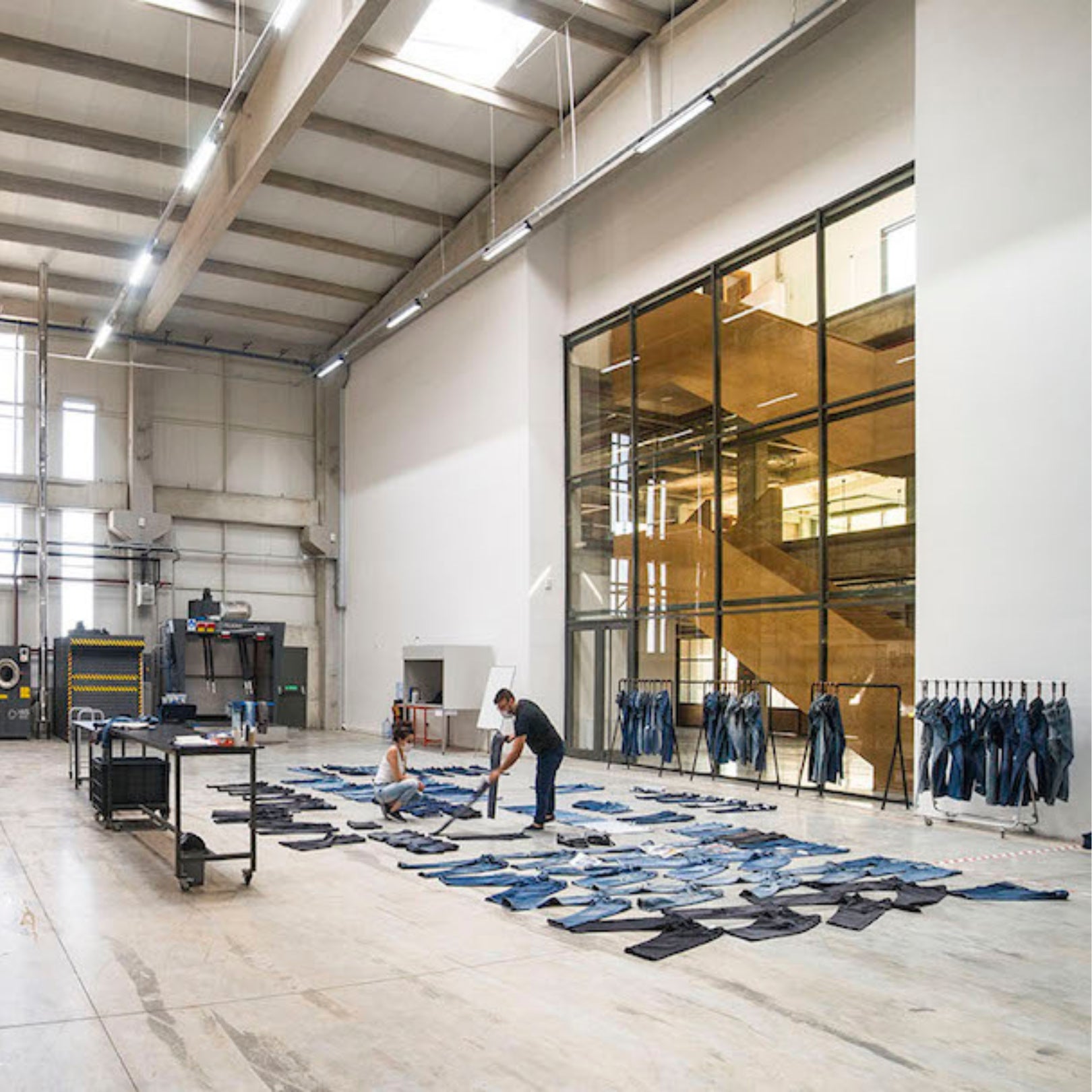
From fibre to finished garment
From sustainable sourcing to circular design, discover how we create products that respect both people and planet.

Material selection (before design)

Fibre production

Spinning

Weaving / knitting

Dyeing, washing & finishing

Cutting & sewing

Trims, labels & packing

Traceability across the whole chain
The people behind our clothes
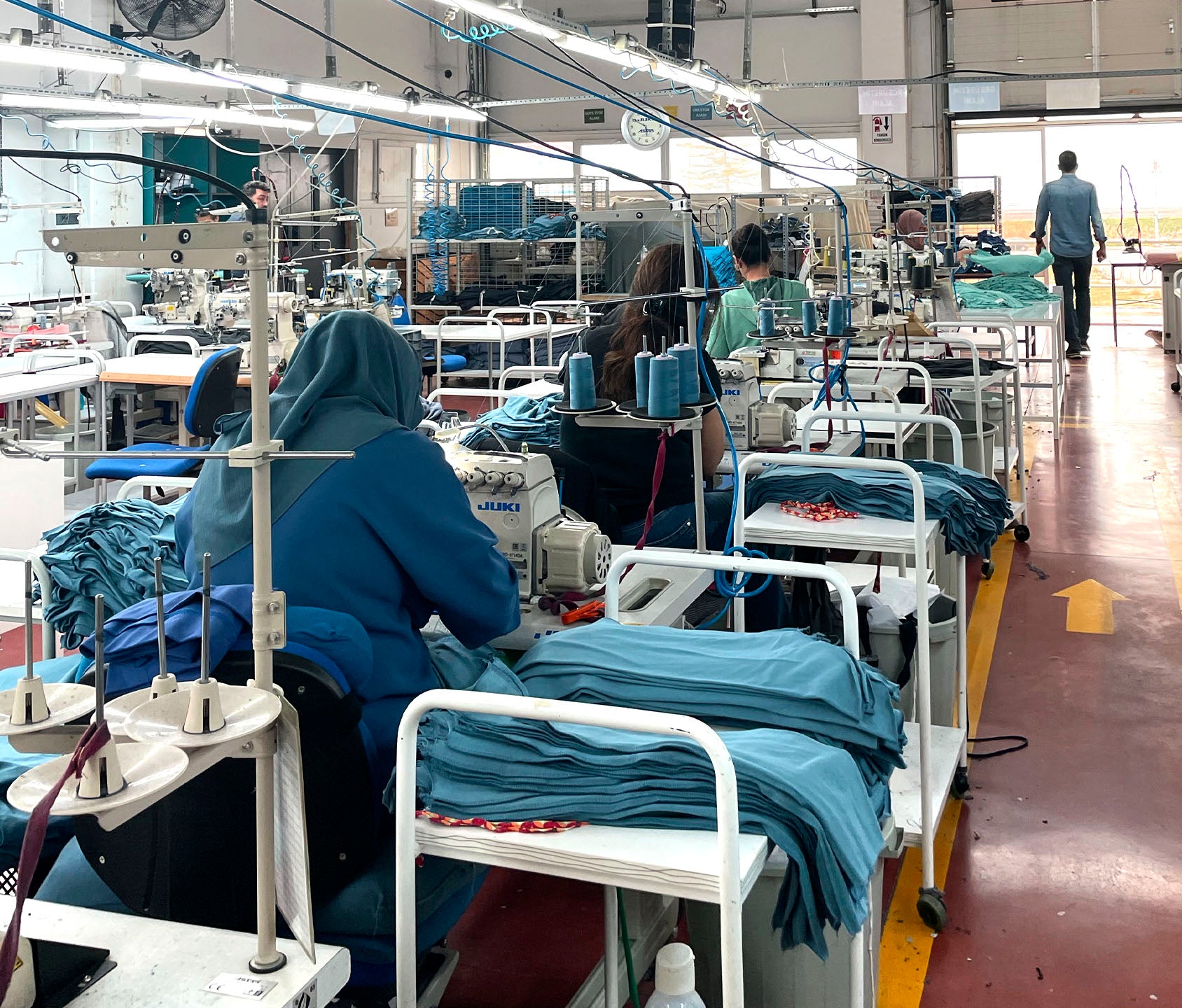
Every garment passes through many hands, and the people behind it matter as much as the materials. We keep our supplier base small and our partnerships long, which gives us genuine visibility into working conditions and the standing to ask for better. We prioritise BSCI-certified partners and apply a Code of Conduct covering fair, safe conditions and responsible practices, while recognising that certification alone isn't a guarantee, only a foundation.
Our Progress
We'd rather show the whole picture than a polished one. Sustainability isn't a finished destination, it's something we test, question, and improve over time.
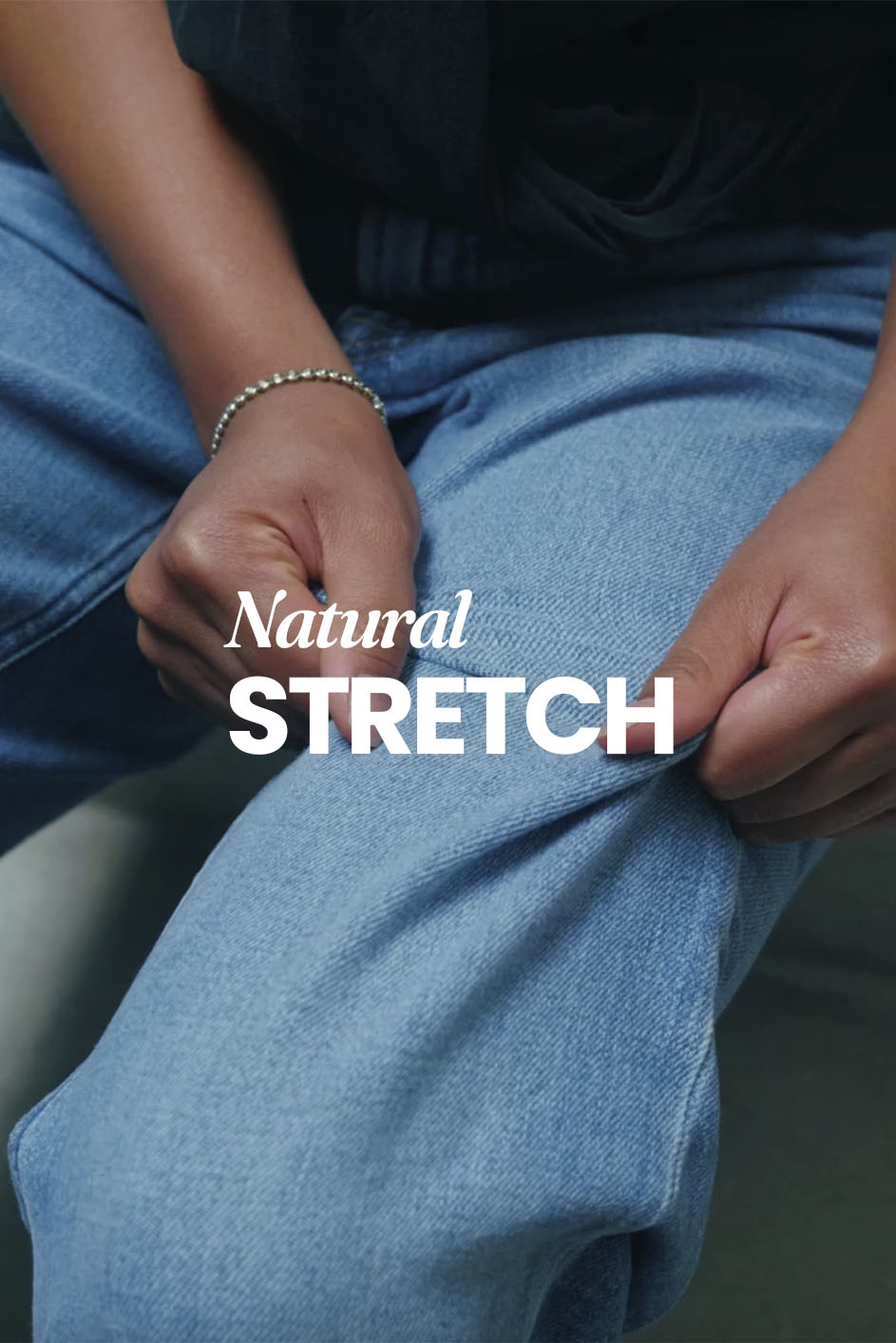
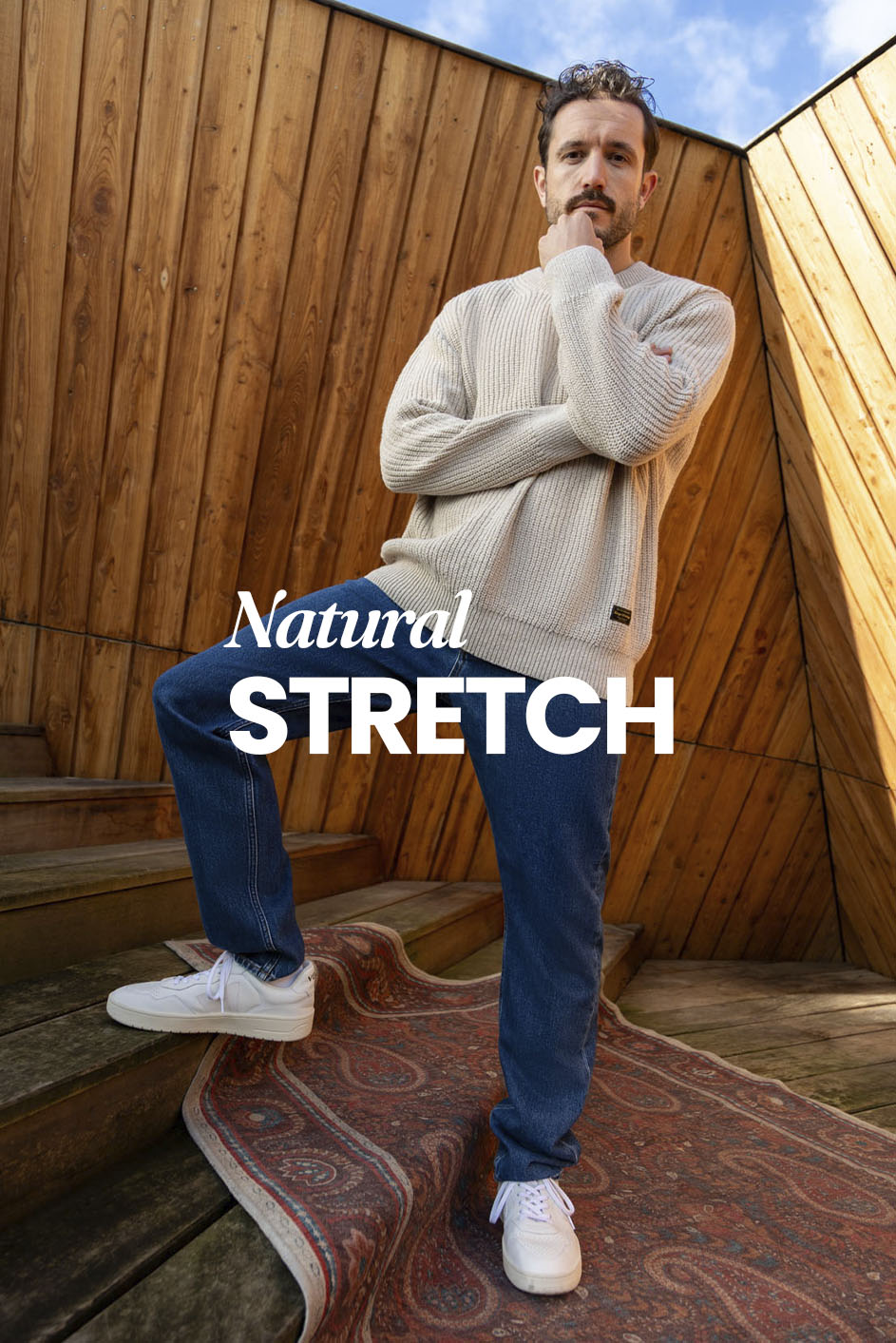
In 2025 we reached over 90% natural fibres across both collections, introduced Natural Stretch denim (comfort without elastane), made our first garment from post-consumer recycled cotton, and began integrating regenerative cotton through a long-term mill partnership.
We're still working on reducing blended fabrics, simplifying our collections, scaling repair and reuse, and building stronger systems to monitor social conditions across our supply chain.
Next we're focused on more post-consumer recycled materials, expanding Natural Stretch, exploring a take-back programme, and deepening traceability.
Progress in fashion is rarely fast or linear. What we can promise is honesty about where we are, and the intent to keep swimming upstream.

Right to know where and how your clothes are made.
We create the highest quality denim, with the lowest impact.

Got a rip in your jeans or lost a button? No problem! We've got you covered worldwide.

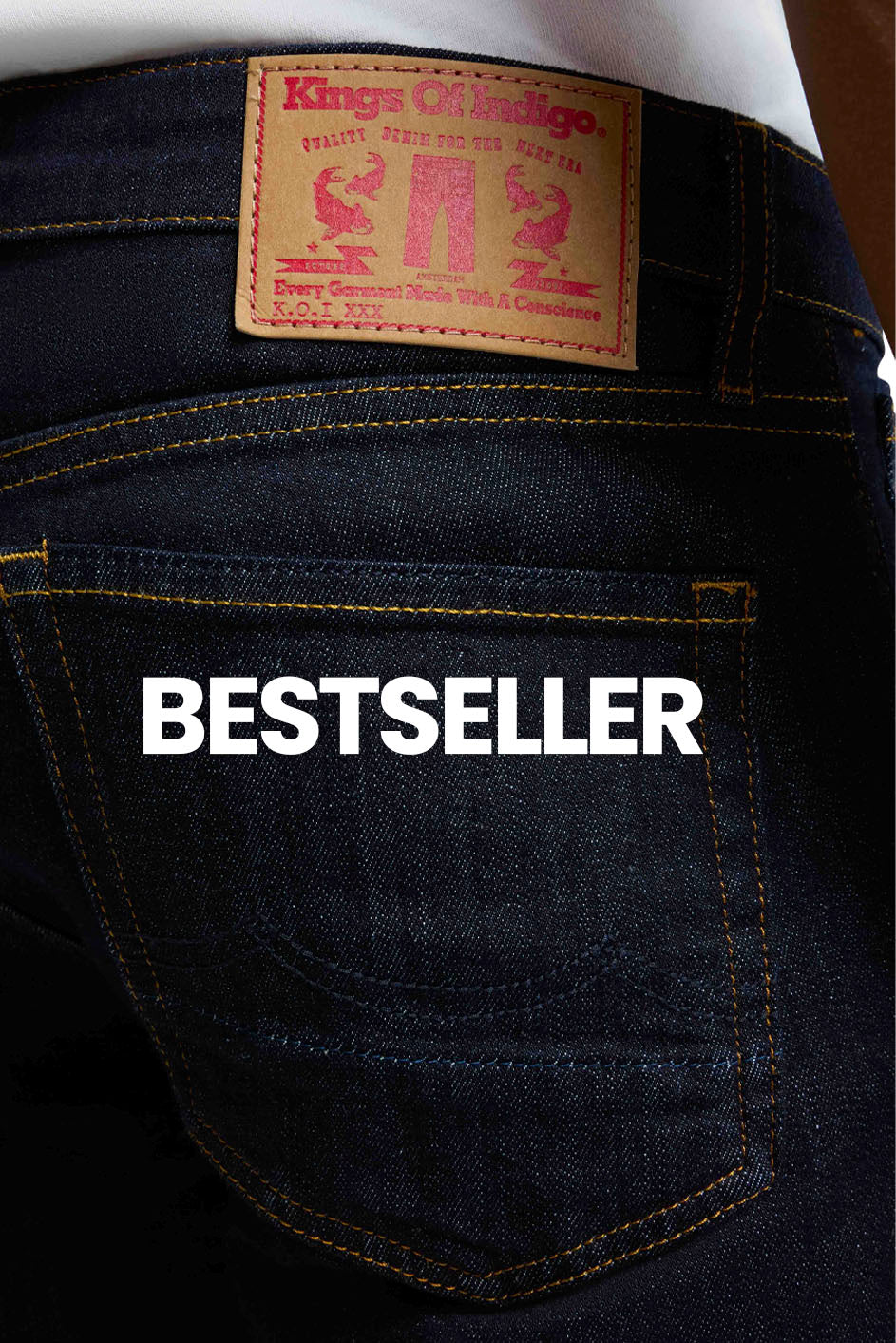
Scan the QR on any label to follow your garment from fibre to finished piece.
